

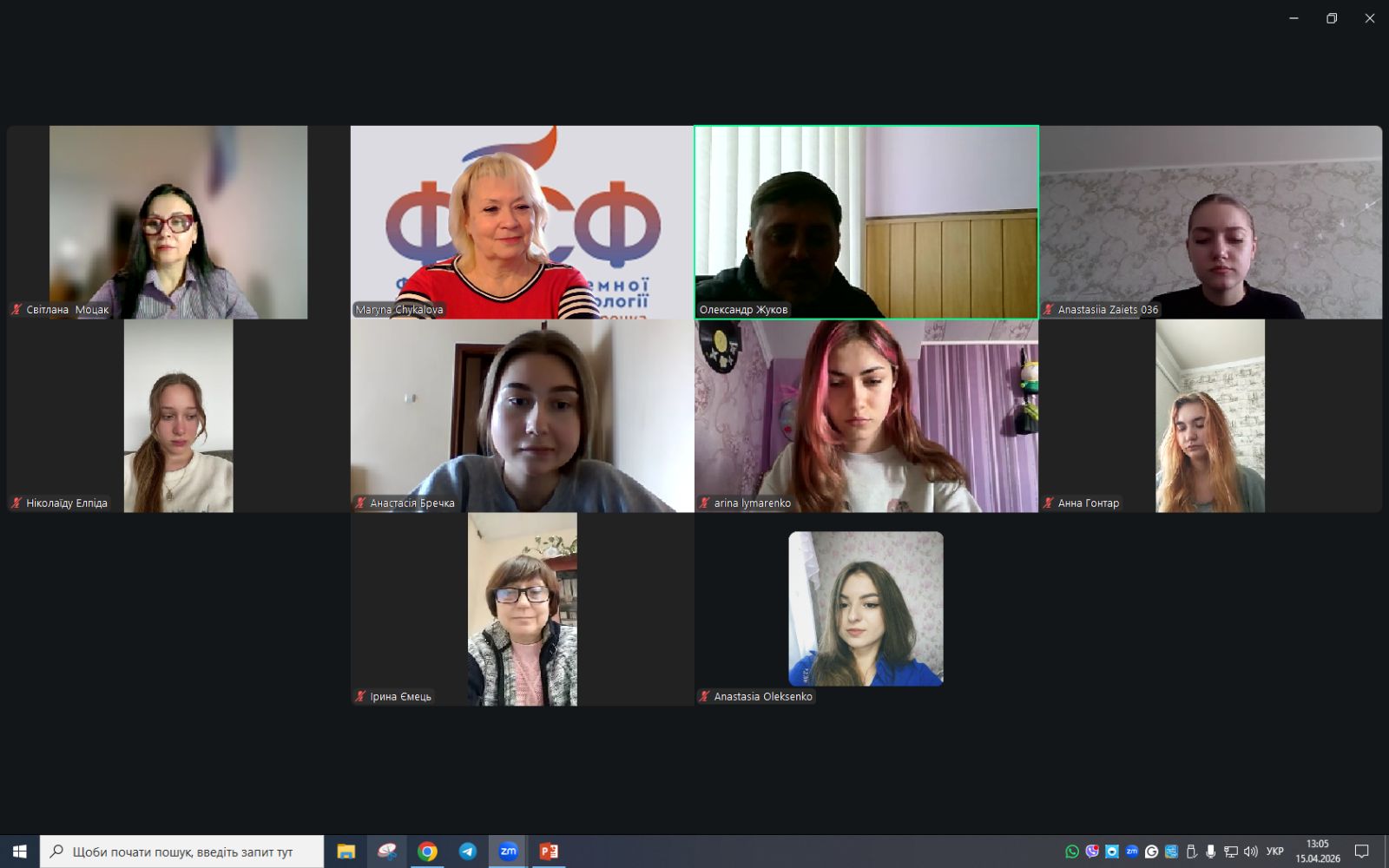
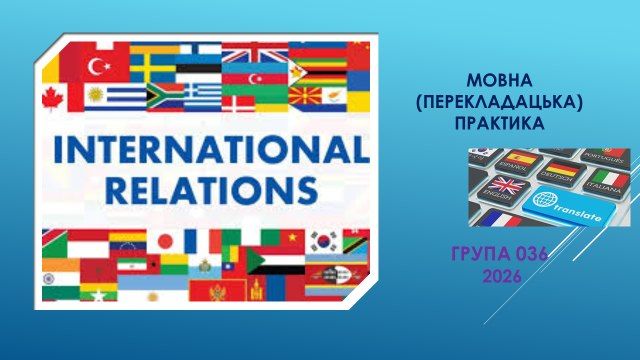


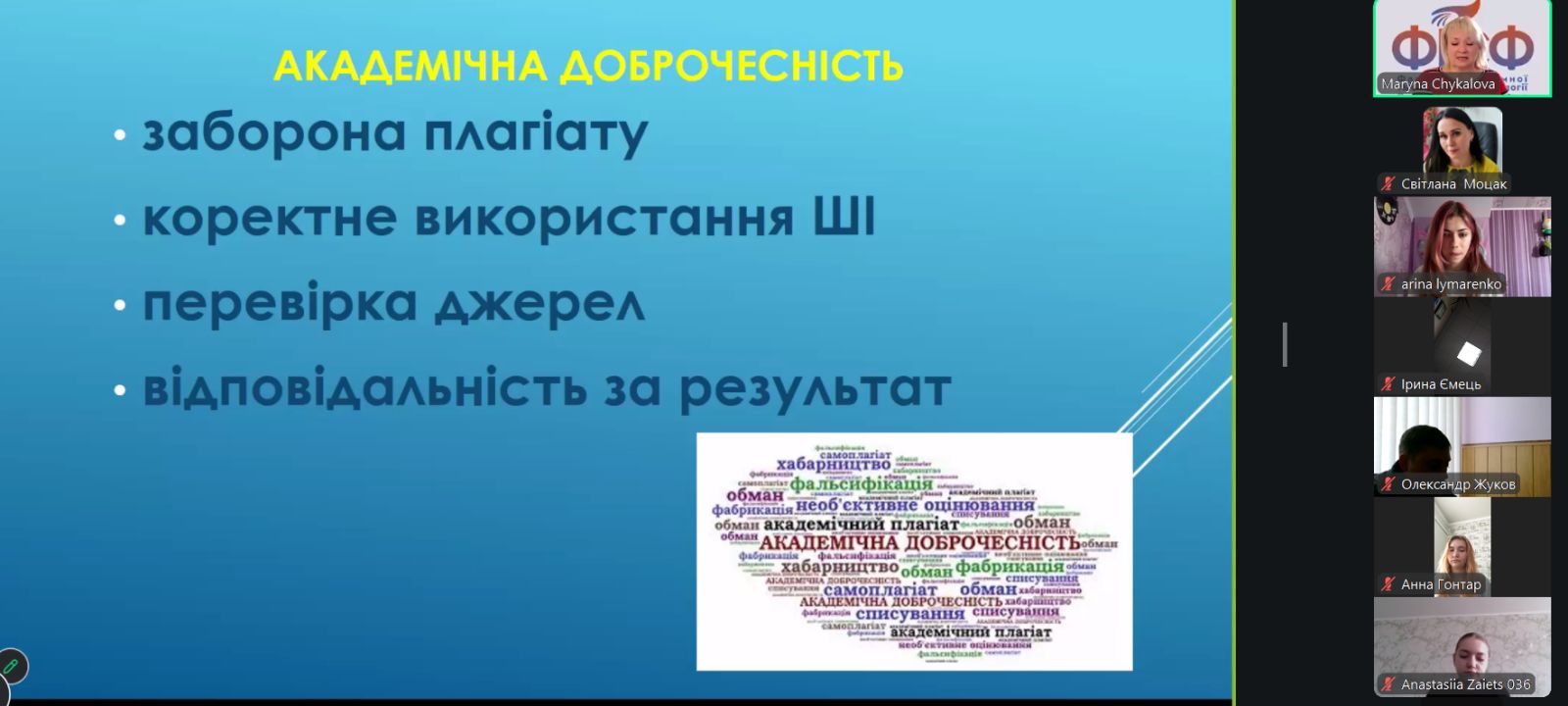
On April 15, 2026, the Department of Foreign Languages of the Faculty of Foreign and Slavic Philology at Sumy State Pedagogical University named after A. S. Makarenko hosted an orientation conference dedicated to the organization and implementation of translation practice for students majoring in International Relations (Group 036).
The event commenced with welcome addresses delivered by Oleksandr ZHUKOV, PhD in History, Associate Professor, Director of the Educational and Scientific Institute of History, Law and International Relations; Svitlana MOTSAK, PhD in Pedagogy, Associate Professor, Head of the Department of World History, International Relations and Teaching Methodology; Iryna YEMETS, Head of the University Internship Office; and Maryna CHYKALOVA, PhD in Pedagogy, Associate Professor, Head of the Department of Foreign Languages and practice supervisor.
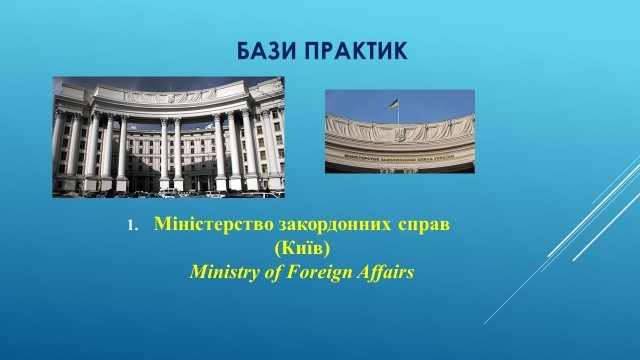
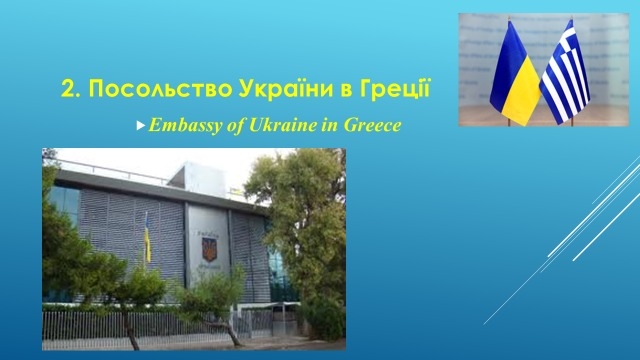
Traditionally, the practice is conducted at reputable institutions and organizations recognized at both national and international levels. This academic year, however, marks a significant expansion in both scope and prestige: three students will undertake their practice at various departments of the Ministry of Foreign Affairs of Ukraine, one student at the Embassy of Ukraine in Greece, while others will complete their placements at KERAMEYA LLC and the International Relations Office of the university.
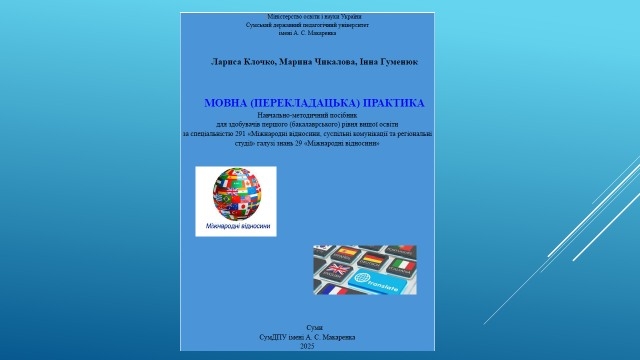
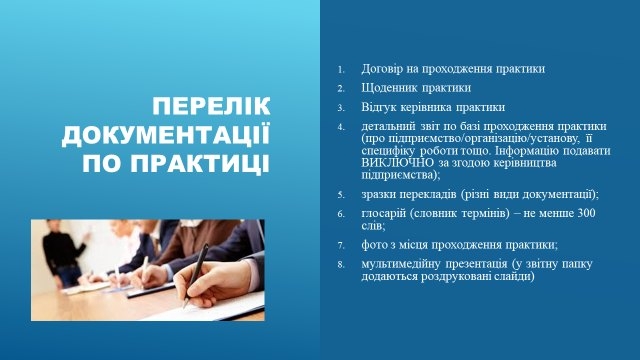
During the conference, students were provided with detailed guidelines regarding the structure and requirements of the practice. They were introduced to documentation procedures, various types of translation activities, the use of dictionaries and modern digital tools, including artificial intelligence, as well as the preparation of reporting documentation.
Particular attention was given to the development of key professional competencies, including hard, soft, and meta-skills essential for future specialists in International Relations, as well as to adherence to the principles of academic integrity.
The discussion also allowed students to raise questions concerning specific aspects of the practice, including the organization of work in a remote setting, and to receive comprehensive clarifications.
The conference was held in a supportive and constructive atmosphere, fostering effective interaction between students and academic staff and reinforcing a student-cantered approach, where each learner is regarded as an individual with strong potential for professional growth.
We express our sincere gratitude to the defenders of Ukraine, thanks to whom we have the opportunity to study, work, and develop.
Glory to Ukraine! Glory to our Heroes!